小時候的遊戲基地在木博館園區中,可以找到很多大樹,它們是原來住在這些警察宿舍的各家庭親手種下的,從原本的小樹苗,茁壯成為現在我們看到的大樹,陪伴著居民一起成長,充滿許多難忘的小故事。
There are plenty of giant trees to be found in the Ecomuseum estate. They started out as saplings planted by the inhabitants of the police dormitory units and thrived to become the verdant green giants we see today. The locals have many enchanting stories to tell about these trees.

▲六連棟的蒜香藤▲
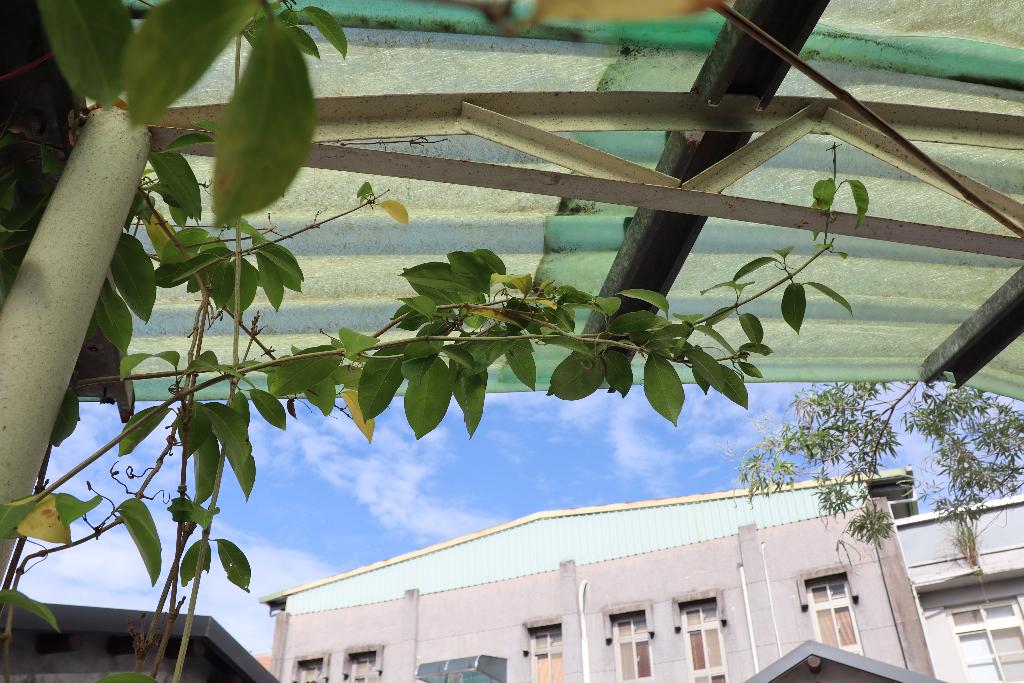
六連棟5號宿舍以前是住著警察家庭陳家,陳家門口的藤蔓植物蒜香藤,成為了木博館在修宿舍時,與住戶們的情感約定。
陳家子女成員中,排行老大的陳叔叔,長大成家後,假日有空就回這個5號老家,幫門前的植物澆水。
也是在這樣的日常中,木博館的館員有機會認識住戶的故事。當六連棟宿舍正式交給木博館來修房子時,木博館的館員也把照顧這些植物成為重要的任務,期待修完後的六連棟,蒜香藤依舊盛開花朵,歡迎大家回家。
- Garlic vine by the six-unit Dormitory
The occupants of the No. 5 dormitory unit in the six-unit Dormitory, are the Chen family, who worked as police. The garlic vine by their front door becomes a symbol of an oath that the Ecomuseum shares with the occupants when the dormitory was being renovated.
Uncle Chen is the eldest son of all the children in the family. After branching out and having a family of his own, he returns to his childhood home, No. 5 dormitory unit, to water the plants by the front door.
It is through these seemingly mundane encounters that the Ecomuseum staff got to befriend the inhabitants. When the six-unit Dormitory were officially turned over to the Ecomuseum for renovation, Ecomuseum staff also started tending to these plants, considering part of their task description. We look forward to seeing the blooms of the garlic vine when the update is completed and having a great homecoming.
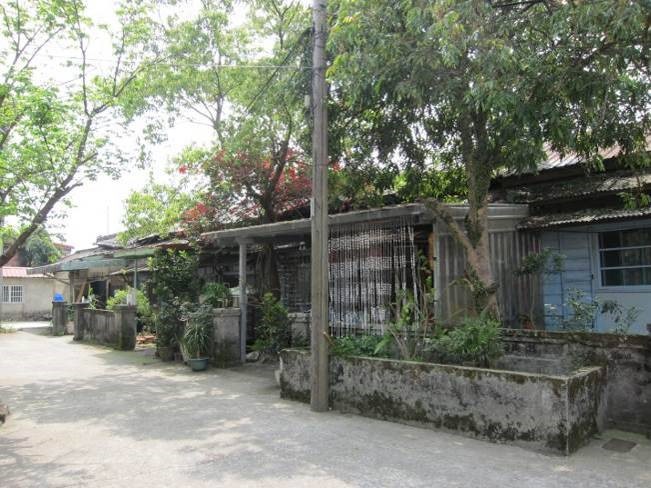
圖/修復前的六連棟宿舍
▲六連棟的龍眼樹▲
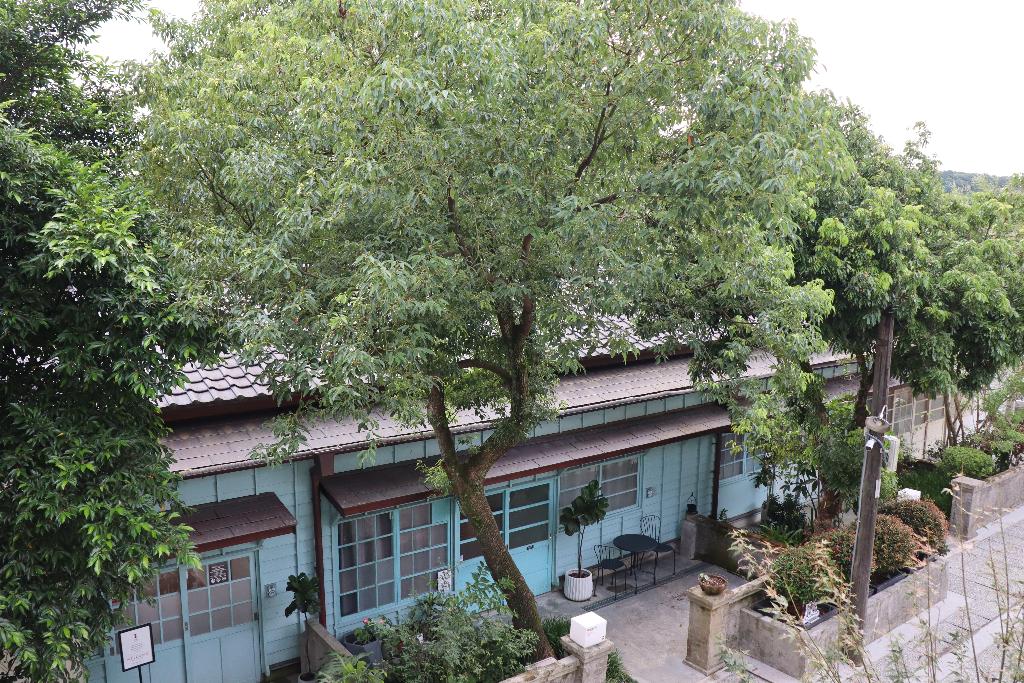
六連棟7號宿舍以前是住著警察家庭許家,許家門口有一棵好吃的樹,是龍眼樹!許家子女成員中,排行老么的許叔叔說,其實以前種樹也許很單純,就是想吃水果就自己種來吃。
記憶小時候當龍眼樹結滿果實時,自己一家也吃不完,就會熱情的將龍眼一串串的分享給左右鄰居,大家一起在家前吃龍眼更好吃,小朋友還會比賽誰的龍眼籽吐的遠喔!
除了這棵龍眼樹,以前許家門口還有葡萄藤,大人會將把葡萄釀成葡萄酒,藏放在廚房中。
- Longan tree by the six-unit Dormitory
The occupants of the No. 7 dormitory unit in the six-unit Dormitory, are the Xu family, who also work in the police force. Stands erect by the front door of the Xu family, is a longan tree that produces incredible fruit. Uncle Xu, who ranks the youngest of the children, explains that in the olden days, tree-planting was a simple endeavor, because the family wanted the fruit, and they grew the fruit tree.
The Xu family could not possibly consume all the longan’s the tree produced, so they shared strings and strands of them with neighbors. The experience actually was more enjoyable as the community gathered to indulge in the fruit. The kids competed against each other to see who got to spit the seed to the farthest distance!

▲六連棟的大樟樹▲
六連棟9號宿舍以前是住著警察家庭詹家,詹家門口前的樟樹,對他們孩子來說這棵樹可是有傳奇的故事喔!
某一年颱風很強,把家前的窗戶玻璃都吹破,這棵樟樹也被吹斷了。沒想到好幾年之後,原本樟樹的斷面又冒出了新芽,越長越大成為了現在的大樟樹。
而當初被颱風吹斷的樟樹枝幹,也沒有被浪費。詹家的大人當時找來街上的木匠師,把樟樹塊製作成了書桌,成為了詹家最有故事的家具。
- Giant camphor tree by the six-unit Dormitory
The occupants of the No. 9 dormitory unit are the Zhan’s, who also are in the police force. To the youngsters of this family, this camphor tree is a life force for the ages!
In one particular storm season, a strong typhoon hit Taiwan and all the glass windows were shattered by the gust. This camphor tree was halved as a result. But a couple of years later, a new shoot sprouted on the cross section of the tree, where the gust blew it off in half. The new shoot blossomed and thrived to become what it is today.
The trunk of the tree that was felled off by the storm did not go to waste. The adults in the Zhan family hired a woodcraftsman in town, and he turned it into a desk, which is now the most iconic piece of furniture in the family.
▲六連棟旁的合歡樹▲
現在木博喵所在的位置,雖然找不到了,但曾經有著一棵會開花的合歡樹,對住警察宿舍群的住戶有著從小到大的重要回憶。
這棵很大又會在夏天時開香香粉色花的樹,在六連棟宿舍長大的叔叔阿姨都叫它「豆子樹」。住在六連棟5號的陳叔叔說在他小時候,會和隔壁家的小朋友們一起在這棵樹下集合玩遊戲。
六連棟後方以前坡度較緩,沿著崖邊還有一個坡道小路,從這棵大樹出發順著小路往下走可以到大漢溪,大家一起在溪中玩水或釣魚。長大後,後方的土地崩落,小路也消失了。而那棵香香的合歡樹,也在一次大雨中,被雷擊而枯斷了。
陳叔叔回憶,這棵合歡樹開花時,從大溪橋遠遠的那端都看的到,當走在橋上時,看到前方崖上有棵開花的樹就知道快到家了。
- Persian silk tree by the six-unit Dormitory
The place where Whiskers stands, as we speak, is no longer there physically. But there was, at one time, a Persian silk tree that produced beautiful florets and it signified a shared experience between the occupants of the police dormitories.
This huge tree, which bloomed fragrant, pastel-color florets in the summer, was fondly called, “the bean tree” by the grown-up’s in the rowhouses. Uncle Chen, who lived in the No. 5 unit, recalls hanging out with the neighbors’ kids under the tree and played.
There was a gentle slope behind the six rowhouses, and a sloped footpath ringed the ridge. If we took off from the Persian silk tree and followed the footpath, we would arrive at Dahan River. The gang frolicked in the water or fished. After the kids grew up, the land behind the rowhouses eroded and collapsed, and the footpath was no more. The fragrant Persian silk tree withered after being hit by lightning during a storm.
Uncle Chen recalled that when the tree produced its floral delights, folks on the other side of Daxi Bridge could easily spot it. We would know home is only a short distance away when we walk on the bridge and see that flowering tree.

上個地點 六連棟
下個地點 電線杆與蓄水槽
PREV Six-unit Dormitory
NEXT Power Poles and Water Tank
