跳到主要內容區塊

4-3 公會堂簡介 A Thumbnail Introduction of the Assembly Hall

  • 發布單位:教育推廣組

/001/Upload/86/relpic/17809/1175157/dbd64ef4-597e-4166-b6d3-e20baf3b348d.jpg

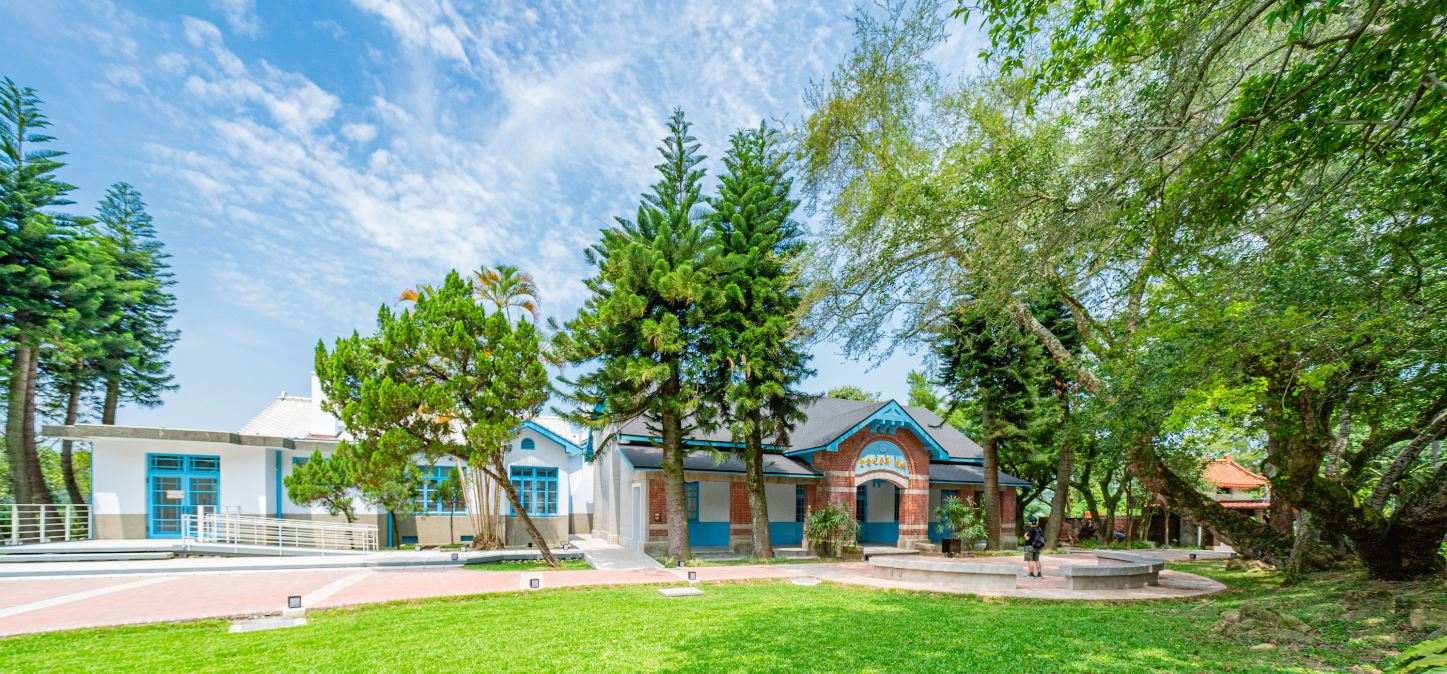
「大溪公會堂」落成於1923年,是日本時代官方和民間人士籌建的多功能會館,當時有和館及洋館兩棟建築,兼具地方集會、議事、教育、紀念活動及接待貴賓等功能,現在只有紅磚結構的洋館保留下來。


1949年以後,本區改為蔣中正總統的行館,為了保護總統的安全與機密,禁止一般民眾靠近,只有特殊時節如為總統賀壽時可以獲准進入。蔣總統逝世後,1976年改為「蔣公紀念堂」展示總統文物,並開放民眾參觀。

2016年,本區改由大溪木藝生態博物館管理並進行整修,2020年作為展演空間重新開幕。

The Daxi Assembly Hall, inaugurated in 1923, was a multifunctional meeting place built for public office holders and private citizen representatives in the Japanese Colonial Era. Two buildings, the Japanese Hall and the Western Hall, stood in the Estate at that time to accommodate local gatherings, assembly meetings, education, commemorative events and guest receptions. Only the red-bricked Western Hall is still extant.

After 1949, the Estate was converted into president Chiang Kai-shek’s residence. To ensure the safety of Chiang, and the classified documents kept here, the Estate was made inaccessible to members of the public. Entry was granted only during special holidays, such as Chiang’s birthday, to well-wishers. After Chiang’s passing, the Estate was converted to “Kai-shek’s Memorial Manor,” in which the former president’s artifacts were displayed. The building is open to public tours.

In 2016, the Estate was taken over by Daxi Wood Art Ecomuseum to manage and renovate. Four years later, the Assembly Hall and Kai-shek’s Memorial Manor were reopened as “the Daxi Assembly Hall” and “Wooden Life Hall” in hopes of promoting creative wood arts and crafts in the quaint town of Daxi.


公會堂現貌

/001/Upload/86/relpic/17809/1175157/28fc9355-8bf4-4671-a5d5-a49a8047edc6.jpg


上個地點 銃口及崗哨
下個地點 日本時代公會堂

PREV Crenels and Watchtowers

NEXT  The Assembly Hall during the Japanese Colonial Rule 


/001/Upload/86/relpic/17809/1175157/bdde8662-9fdb-4718-9750-11c11158b87f.jpg